When Can You Start Baby Wearing? The Ultimate Parent’s Guide
Baby wearing has become increasingly popular among modern parents, and for good reason. This ancient practice offers numerous benefits for both babies and caregivers, from enhanced bonding to practical convenience. However, many new parents wonder about the right time to begin this journey with their little ones.
Table of Contents
When Is It Safe to Start Baby Wearing?
You can start baby wearing immediately after birth, provided both mother and baby are healthy. Most pediatricians and baby wearing experts agree that healthy, full-term newborns can be safely carried in appropriate carriers from their first days of life.
Newborn Stage (0-3 months)
For newborns, the key considerations include:
- Birth weight: Babies should typically weigh at least 8 pounds for most structured carriers
- Head and neck control: Newborns require full head and neck support
- Proper positioning: Maintain the natural “M” shape of baby’s legs
- Airway clearance: Ensure baby’s chin is off their chest and breathing passages remain clear
C-Section Recovery Considerations
If you’ve had a cesarean delivery, you may need to wait 2-6 weeks before baby wearing, depending on your recovery. Always consult your healthcare provider before beginning any baby wearing routine after surgery.
Best Baby Carriers for Different Ages
Newborn to 4 Months
- Soft structured carriers with infant inserts
- Ring slings for easy breastfeeding access
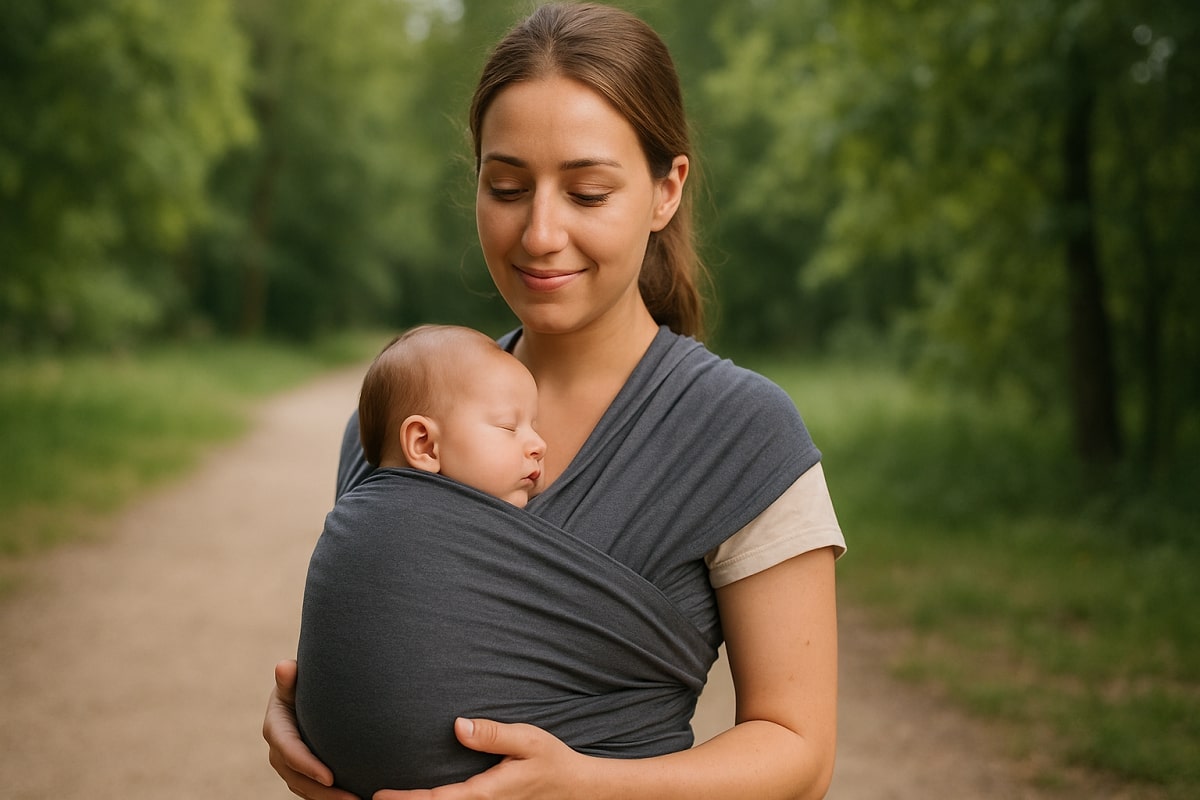
- Wrap carriers for ultimate adjustability
- Stretchy wraps for comfort and ease of use
4-12 Months
- Ergonomic structured carriers without inserts
- Meh dai carriers for growing babies
- Back-carrying options as baby gains head control
12+ Months
- Toddler carriers designed for larger children
- Hiking backpack carriers for outdoor adventures
- Onbuhimo carriers for independent toddlers
Safety Guidelines for Baby Wearing
Following proper safety protocols is crucial for successful baby wearing:
The T.I.C.K.S. Rule
- Tight: Carrier should be snug and secure
- In view at all times: Always see baby’s face
- Close enough to kiss: Baby’s head near your chin
- Keep chin off chest: Maintain clear airway
- Supported back: Baby’s back should be supported
Additional Safety Tips
- Start with short periods (15-30 minutes) and gradually increase
- Check baby’s temperature regularly to prevent overheating
- Ensure proper weight distribution to avoid back strain
- Never bend over while wearing baby – squat instead
- Remove carrier immediately if baby shows signs of distress
Benefits of Baby Wearing
For Baby
- Enhanced bonding through close physical contact
- Regulated body temperature and heart rate
- Improved sleep patterns from gentle motion
- Reduced crying and increased contentment
- Better digestion from upright positioning
For Parents
- Hands-free convenience for daily activities
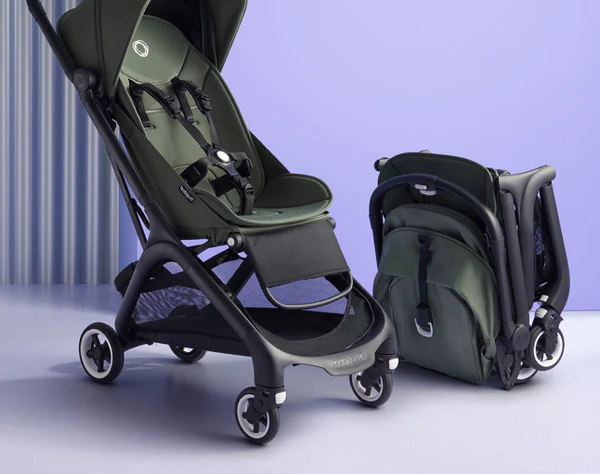
- Increased mobility compared to strollers
- Enhanced confidence in caring for baby
- Better posture with ergonomic carriers
- Stress reduction through physical closeness
Common Mistakes to Avoid
New parents often make these baby wearing errors:
- Choosing carriers based on appearance rather than ergonomics
- Not adjusting carriers properly for their body type
- Ignoring baby’s developmental needs at different stages
- Overdressing baby while wearing
- Using carriers for too long without breaks
How to Choose the Right Carrier
Consider these factors when selecting a baby carrier:
Your Lifestyle
- Urban parents: Compact, easy-to-fold options
- Active parents: Carriers suitable for exercise
- Working parents: Professional-looking, versatile designs
- Travel enthusiasts: Lightweight, packable carriers
Your Body Type
- Petite frames: Adjustable straps and smaller carriers
- Plus-size parents: Extended sizing and wider waistbands
- Back issues: Carriers with lumbar support
- Breastfeeding needs: Easy nursing access features
Baby’s Preferences
Some babies prefer facing inward for security, while others enjoy facing outward to observe their surroundings. Many carriers offer multiple carrying positions to accommodate changing preferences.
Getting Started: Your First Week
Day 1-2: Introduction
- Practice putting on the carrier without baby
- Start with 10-15 minute sessions
- Focus on proper positioning
Day 3-5: Building Comfort
- Increase wearing time to 20-30 minutes
- Try different activities while wearing baby
- Monitor both your comfort and baby’s response
Day 6-7: Establishing Routine
- Incorporate baby wearing into daily activities
- Experiment with different carrying positions
- Begin planning longer outings
Troubleshooting Common Issues
Baby Seems Uncomfortable
- Check positioning and ensure proper support
- Verify that baby isn’t too hot or cold
- Consider whether baby needs feeding or changing
- Try different carrying positions
Parent Experiences Discomfort
- Adjust straps and ensure even weight distribution
- Take breaks every 30-45 minutes initially
- Strengthen core muscles with gentle exercises
- Consider consulting a baby wearing educator
Frequently Asked Questions (FAQs)
Can I start baby wearing with a premature baby?
Premature babies can often be worn once they reach their due date and have stable vital signs. Always consult with your pediatrician first, as preemies may need additional monitoring and support.
How long can I wear my baby each day?
There’s no strict time limit, but most experts recommend starting with 15-30 minutes and gradually increasing. Some parents wear their babies for several hours daily, taking regular breaks for feeding, changing, and free movement.
Is baby wearing safe for sleeping?
While babies often fall asleep in carriers, prolonged sleep in carriers isn’t recommended. For naps longer than 20 minutes, transfer baby to a safe sleep surface like a crib or bassinet.
Can baby wearing cause hip problems?
Proper baby wearing actually supports healthy hip development. Ensure baby’s legs are in the “M” position with knees higher than their bottom. Avoid carriers that force legs straight down.
What should my baby wear while being carried?
Dress your baby in one fewer layer than you’re wearing, as your body heat will keep them warm. Avoid bulky clothing that might interfere with proper positioning.
Can fathers and other caregivers use baby carriers?
Absolutely! Baby wearing benefits all caregivers and helps build strong bonds. Most carriers are adjustable to fit different body types and sizes.
When should I stop baby wearing?
Most carriers accommodate children up to 35-45 pounds (around age 2-3). Stop when your child consistently resists being carried or when it becomes physically uncomfortable for you.
Can I exercise while baby wearing?
Light exercise like walking is generally safe, but avoid high-impact activities or exercises that could cause you to fall. Some carriers are specifically designed for active parents.
How do I clean baby carriers?
Most carriers are machine washable on gentle cycles. Check manufacturer instructions, as some require hand washing or air drying. Clean carriers regularly to maintain hygiene.
Should I buy multiple carriers?
Many parents find having 2-3 carriers helpful for different situations – a quick carrier for errands, a comfortable one for long periods, and perhaps a water-friendly option for beach days.
Remember, every baby is unique, and what works for one family may not work for another. Trust your instincts, prioritize safety, and don’t hesitate to seek guidance from healthcare providers or certified baby wearing educators when needed.