Why Do Kids Get Silver Teeth? A Parent’s Complete Guide to Stainless Steel Crowns
As a parent, discovering that your child needs “silver teeth” can be overwhelming and raise numerous questions. If your dentist has recommended stainless steel crowns for your child, you’re likely wondering why this treatment is necessary, whether it’s safe, and what to expect. This comprehensive guide answers all your concerns about children’s silver teeth, helping you make informed decisions about your child’s dental health.
Table of Contents
Understanding Silver Teeth in Children
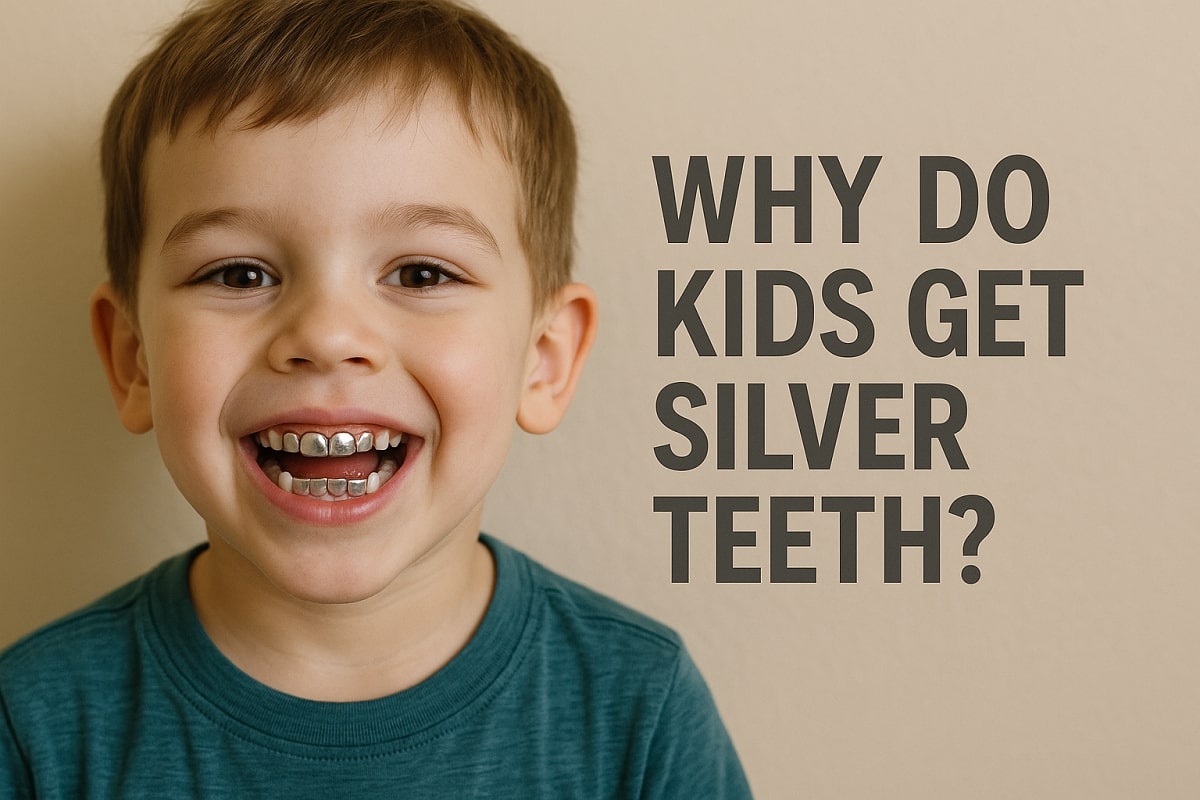
Silver teeth in children are typically stainless steel crowns—pre-made metal caps that cover damaged baby teeth. Unlike adult dental crowns, these pediatric restorations serve as temporary solutions that protect primary teeth until they naturally fall out. Pediatric dentists have used stainless steel crowns for decades because they’re durable, cost-effective, and specifically designed for children’s unique dental needs.
When parents first hear about silver teeth, many worry about appearance and safety. However, these concerns often stem from misunderstanding the purpose and benefits of pediatric stainless steel crowns. These restorations play a crucial role in maintaining your child’s oral health, proper bite development, and overall well-being.
Types of Silver Dental Restorations
Stainless Steel Crowns
Stainless steel crowns represent the most common type of silver teeth, especially for children. These pre-fabricated crowns fit over damaged teeth to restore function and prevent further decay. Pediatric dentists frequently recommend stainless steel crowns for primary molars that have extensive decay or have undergone pulp therapy.
Amalgam Fillings
Silver amalgam fillings, composed of mercury, silver, tin, and copper, have been used in dentistry for over 150 years. These durable restorations effectively treat cavities in back teeth where chewing forces are strongest. Despite ongoing debates about mercury content, major dental organizations continue to support amalgam’s safety and effectiveness.
Metal Dental Caps
Custom-made metal caps or crowns cover severely damaged teeth, protecting them from further deterioration. These restorations, crafted from various metal alloys, provide exceptional strength and longevity, making them ideal for posterior teeth that endure significant bite forces.
Why Do Children Need Silver Teeth? Common Reasons Explained
Understanding why your child needs silver teeth helps alleviate parental anxiety and demonstrates the importance of this treatment. Here are the primary reasons pediatric dentists recommend stainless steel crowns for children:
Extensive Tooth Decay
The most common reason children get silver teeth is extensive decay that cannot be treated with simple fillings. When cavities are too large or affect multiple surfaces of a tooth, a stainless steel crown provides comprehensive protection. This is especially important for baby teeth, which have thinner enamel and are more susceptible to rapid decay progression.
Many parents are surprised to learn that baby teeth can develop severe decay, but children’s dietary habits, developing oral hygiene skills, and the natural structure of primary teeth make them vulnerable to extensive cavities.
After Pulp Therapy (Baby Root Canals)
When decay reaches the nerve of a baby tooth, your child may need pulp therapy—essentially a root canal for children. After this procedure, the tooth becomes weaker and requires protection from a stainless steel crown. This treatment allows your child to keep their natural tooth rather than having it extracted.
Dental Trauma and Injuries
Active children often experience dental injuries from falls, sports, or playground accidents. When a baby tooth is chipped, cracked, or fractured, a silver crown can restore its shape and protect it from further damage. This preservation is crucial for maintaining proper spacing for permanent teeth.
Large Existing Fillings That Have Failed
Sometimes children have large fillings that break down over time. Rather than placing another filling that may fail again, dentists often recommend stainless steel crowns for more reliable, long-term protection.
Genetic Factors and Tooth Development Issues
Some children are born with naturally weaker tooth enamel or developmental defects that make their teeth more prone to decay and damage. Silver crowns provide extra protection for these vulnerable teeth.
Are Silver Teeth Safe for Children? Addressing Parent Concerns
Safety is every parent’s top priority, and it’s natural to have questions about putting metal crowns on your child’s teeth. The good news is that stainless steel crowns have an excellent safety record and are considered the gold standard for pediatric dental restorations.
Safety Track Record
Stainless steel crowns have been used in pediatric dentistry for over 70 years with outstanding safety results. The American Academy of Pediatric Dentistry strongly recommends them as the preferred treatment for extensively decayed primary teeth.
Non-Toxic Materials
Unlike some dental materials, stainless steel crowns contain no mercury or other substances that cause concern. They’re made from medical-grade stainless steel, the same material used in surgical instruments and medical implants.
Biocompatibility
Allergic reactions to stainless steel are extremely rare in children. The material is highly biocompatible, meaning it works well with the body’s natural tissues without causing adverse reactions.
FDA Approval and Clinical Research
Stainless steel crowns for children are FDA-approved and backed by decades of clinical research demonstrating their safety and effectiveness. Numerous studies confirm their reliability in pediatric dental care.
Benefits of Silver Teeth for Children
While the appearance of silver teeth may concern some parents, the benefits far outweigh aesthetic considerations, especially for back teeth:
Exceptional Durability
Stainless steel crowns are incredibly durable and can withstand the forces of chewing better than other pediatric dental materials. This durability is crucial for active children who may be hard on their teeth.
Quick and Easy Placement
Unlike adult crowns that require multiple visits, pediatric stainless steel crowns can usually be placed in a single appointment. This reduces stress for both children and parents while providing immediate protection.
Cost-Effective Solution
Silver teeth cost less than other crown options while providing superior protection. This affordability makes quality dental care accessible to more families, regardless of insurance coverage.
Prevents Further Damage
Once placed, silver crowns completely seal the tooth, preventing bacteria from entering and causing additional decay. This protection is especially important for children who may struggle with thorough oral hygiene.
Maintains Proper Spacing
Keeping baby teeth healthy and in place until they naturally fall out is crucial for proper development of permanent teeth. Silver crowns help maintain this important spacing.
Potential Drawbacks and Considerations
While silver teeth offer many benefits, several considerations merit discussion. Aesthetic concerns top the list, as silver restorations are highly visible, especially when placed on front teeth. Many adults prefer tooth-colored alternatives for visible areas to maintain a natural smile appearance.
Some patients report temporary tooth sensitivity following silver crown placement, though this typically resolves within a few weeks. Metal restorations can also conduct temperature changes more readily than natural teeth, potentially causing brief discomfort when consuming hot or cold foods.
Galvanic reactions, though rare, can occur when different metals in the mouth create electrical currents. This phenomenon may cause minor discomfort or metallic taste, though modern dental materials minimize these risks.
Long-term wear of opposing teeth represents another consideration, as metal restorations may be harder than natural tooth enamel. However, proper bite adjustment during placement typically prevents excessive wear.
What to Expect: The Silver Crown Procedure for Children
Understanding what happens during your child’s appointment can help reduce anxiety for both you and your child. Here’s what typically occurs:
Before the Procedure
Your pediatric dentist will explain the procedure and answer any questions. Many offices show children pictures or models to help them understand what will happen. Some dentists use child-friendly terms like “silver hat” or “tooth crown” to make the concept less intimidating.
During the Appointment
The procedure typically takes 30-45 minutes per tooth. Your child will receive local anesthesia to ensure comfort, though some dentists use nitrous oxide (laughing gas) to help anxious children relax. The dentist will:
- Remove any decay and shape the tooth
- Select the appropriate crown size
- Try the crown for proper fit
- Cement the crown in place
- Check your child’s bite and make any necessary adjustments
After the Procedure
Most children adapt quickly to their silver teeth. You may notice:
- Temporary sensitivity to hot or cold foods
- Slight changes in your child’s bite (usually resolves quickly)
- Initial awareness of the crown’s presence
Addressing Common Parent Concerns
“Will Other Kids Make Fun of My Child?”
This is perhaps the most common worry parents express. In reality, silver teeth are quite common among children, and most kids adapt well without experiencing teasing. Many children are actually proud of their “special teeth” or “robot teeth.” If you’re concerned about front teeth, ask your dentist about tooth-colored options.
“Will It Affect My Child’s Speech?”
Most children experience no speech changes with back teeth crowns. If a front tooth requires a crown, there may be a brief adjustment period, but children typically adapt within a few days.
“How Long Will They Stay In?”
Silver crowns remain until the baby tooth naturally falls out, usually between ages 6-12 depending on which tooth is crowned. The crown and tooth will come out together when it’s time for the permanent tooth to emerge.
“What If the Crown Falls Off?”
While rare, crowns can occasionally come loose. If this happens, save the crown and contact your dentist immediately. Most offices can quickly re-cement a loose crown.
How to Care for Your Child’s Silver Teeth
Proper care ensures your child’s silver crowns last until the baby teeth naturally fall out. Here’s what parents need to know:
Daily Oral Hygiene
- Brush twice daily with fluoride toothpaste
- Help younger children brush thoroughly around the crown
- Floss daily, paying attention to the gum line where the crown meets the tooth
- Use a soft-bristled toothbrush to avoid damaging gums
Dietary Considerations
While silver crowns are durable, certain precautions help prevent damage:
- Avoid extremely sticky candies that could pull crowns loose
- Limit hard foods like ice or hard candies
- Reduce sugary snacks and drinks to prevent decay in other teeth
- Encourage water consumption throughout the day
Regular Dental Visits
Continue regular checkups every six months so your dentist can:
- Monitor the crown’s condition
- Check for any loosening or wear
- Maintain overall oral health
- Track the development of permanent teeth
Signs to Watch For
Contact your dentist if you notice:
- Crown appears loose or moves
- Your child complains of pain around the crowned tooth
- Gum swelling or redness around the crown
- Food consistently getting stuck around the crown
Cost of Silver Teeth for Children
Understanding the financial aspect helps parents plan for their child’s dental care:
Typical Costs
Stainless steel crowns for children typically cost $200-$500 per tooth, making them more affordable than adult crown options. Costs vary based on:
- Geographic location
- Dentist’s experience and practice location
- Whether additional procedures are needed
- Complexity of the case
Insurance Coverage
Most dental insurance plans cover pediatric stainless steel crowns at 50-80% when medically necessary. Check with your insurance provider about:
- Coverage percentages for pediatric crowns
- Annual maximum benefits
- Whether pre-authorization is required
- In-network vs. out-of-network provider differences
Payment Options
Many pediatric dental offices offer:
- Payment plans to spread costs over time
- Healthcare financing options
- Discounts for multiple procedures
- Family payment plans for siblings needing treatment
Alternatives to Silver Teeth for Children
While stainless steel crowns remain the gold standard for pediatric dental care, some alternatives exist:
Tooth-Colored Stainless Steel Crowns
These crowns combine the durability of stainless steel with a white coating for improved appearance. They’re ideal for front teeth where aesthetics matter more. However, they cost slightly more and the white coating may chip over time.
Composite Strip Crowns
For front teeth, some dentists use composite resin crowns that look more natural. These require more chair time and may not be as durable as stainless steel, but they provide better aesthetics for visible teeth.
Zirconia Crowns
These tooth-colored crowns offer excellent durability and aesthetics but cost significantly more than stainless steel. They’re typically reserved for special cases where appearance is crucial.
Prevention: The Best Alternative
The best alternative to silver teeth is prevention through:
- Regular dental visits starting by age one
- Proper oral hygiene habits
- Healthy dietary choices
- Fluoride treatments when recommended
- Dental sealants for cavity protection
When Your Child’s Silver Teeth Come Out
Parents often wonder what happens when it’s time for permanent teeth to emerge:
Natural Process
Silver crowns come out naturally with the baby tooth when permanent teeth are ready to erupt. You don’t need to do anything special—the process happens on its own.
Timeline Expectations
Baby teeth with silver crowns fall out according to the normal schedule:
- Front teeth: Ages 6-7
- Back teeth: Ages 10-12
- Second molars: Ages 11-13
What to Expect
When the crowned tooth becomes loose, it will wiggle and fall out just like any other baby tooth. The crown stays attached to the tooth root, so both come out together.
Caring for the Permanent Tooth
Once the permanent tooth emerges, maintain good oral hygiene to keep it healthy. Your dentist will monitor its development and may recommend sealants for added protection.
When to See a Dentist
Several signs indicate the need for professional dental evaluation. Persistent tooth pain, especially when chewing or consuming hot or cold foods, may signal the need for crown treatment. Visible damage like chips, cracks, or large fillings suggests potential crown candidacy.
If existing silver restorations become loose, cause discomfort, or show signs of wear, professional assessment is essential. Regular dental checkups help identify problems before they become painful or require more extensive treatment.
Parents should consult pediatric dentists when children experience tooth pain, have visible decay, or sustain dental injuries that could affect tooth structure.
Early intervention often allows for more conservative treatments and better long-term outcomes.
Frequently Asked Questions (FAQs)
How long do silver teeth last in children?
Silver teeth in children last until the baby tooth naturally falls out, typically between ages 6-12 depending on which tooth has the crown. The crown doesn’t have a set lifespan like adult crowns because it comes out with the baby tooth when the permanent tooth is ready to emerge. With proper care, the crown protects the tooth throughout this entire period.
Are silver teeth safe for my child?
Yes, silver teeth are extremely safe for children. Stainless steel crowns have been used successfully in pediatric dentistry for over 70 years. They’re made from medical-grade stainless steel (the same material used in surgical instruments), contain no mercury or harmful substances, and allergic reactions are extremely rare. The American Academy of Pediatric Dentistry considers them the gold standard for treating extensively decayed baby teeth.
Why does my child need silver teeth instead of white fillings?
Your child needs silver teeth because the decay or damage is too extensive for a regular filling. When cavities affect multiple surfaces of a tooth or are very large, fillings aren’t strong enough to protect the remaining tooth structure. Silver crowns completely cover and protect the entire tooth, preventing further decay and fractures. They’re especially important after pulp therapy (baby root canals) when the tooth becomes weaker.
Will other children make fun of my child’s silver teeth?
While this is a common parental concern, most children adapt well to silver teeth without experiencing teasing. Silver crowns are quite common among children, and many kids are actually proud of their “special teeth” or “robot teeth.” The crowns are typically placed on back teeth where they’re less visible. If front teeth need crowns, ask your dentist about tooth-colored options for better aesthetics.
Do silver teeth hurt children?
Silver teeth should not cause ongoing pain once properly placed and healed. Some children may experience mild sensitivity to hot or cold foods for a few days after placement, which is normal and temporary. If your child experiences persistent pain, contact your pediatric dentist as this may indicate a problem that needs attention.
Can my child eat normally with silver teeth?
Yes, children can eat normally with silver teeth. In fact, the crown restores full chewing function and protects the tooth during eating. However, avoid extremely hard foods (like ice) or very sticky candies that could potentially damage or dislodge the crown. Most children quickly adapt and forget they have crowns.
How much do silver teeth cost for children?
Silver teeth for children typically cost $200-$500 per tooth, making them more affordable than adult crown options. Most dental insurance plans cover 50-80% of the cost when medically necessary. The exact cost varies based on your location, dentist, and whether additional procedures are needed. Many pediatric dental offices offer payment plans to make treatment more accessible.
Will silver teeth affect my child’s speech?
Silver crowns on back teeth rarely affect speech. If a front tooth needs a crown, your child might notice a slight difference initially, but children typically adapt within a few days. Their natural ability to adjust to changes in their mouth means speech problems are uncommon and temporary if they occur at all.
What happens when my child’s silver teeth fall out?
Silver crowns fall out naturally with the baby tooth when it’s time for the permanent tooth to emerge. The crown stays attached to the tooth root, so both come out together during the normal tooth loss process. You don’t need to do anything special—just follow the same routine you would for any loose baby tooth.
How do I care for my child’s silver teeth?
Care for silver teeth just like natural teeth: brush twice daily with fluoride toothpaste, floss daily, and maintain regular dental checkups every six months. Pay special attention to the gum line where the crown meets the tooth. Avoid extremely sticky or hard foods, and contact your dentist if the crown becomes loose or causes discomfort.