Do I Really Need a Wipe Warmer? The Complete Parent’s Guide
When preparing for a new baby, the endless list of “must-have” products can feel overwhelming. Among these items, wipe warmers often spark debate among parents and caregivers. Some swear by them as essential comfort items, while others dismiss them as unnecessary gadgets. So, do you really need a wipe warmer for your baby?
Table of Contents
What Is a Wipe Warmer?
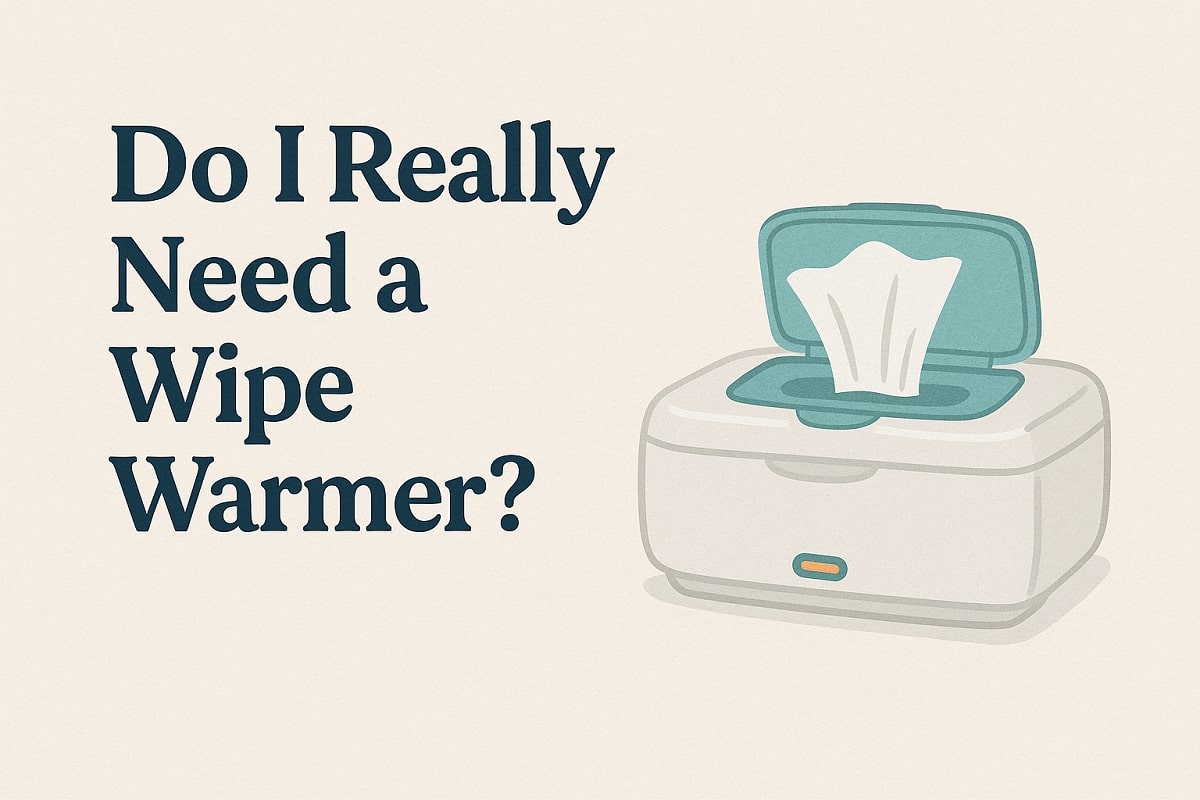
A wipe warmer is a small electrical device designed to heat baby wipes to a comfortable temperature before use during diaper changes. These devices typically maintain wipes at around 99°F (37°C), which is close to normal body temperature, preventing the shock of cold wipes against your baby’s sensitive skin.
Most wipe warmers feature a heating element at the bottom, a dispenser mechanism, and often include features like LED lights for nighttime changes or antimicrobial properties to keep wipes fresh.
Benefits of Using a Wipe Warmer
Comfort for Your Baby
The primary advantage of wipe warmers is the comfort they provide during diaper changes. Cold wipes can be startling for babies, especially newborns who are sensitive to temperature changes. Warm wipes create a more soothing experience, potentially reducing fussiness during diaper changes.
Easier Nighttime Changes
Warm wipes can help keep your baby calmer during middle-of-the-night diaper changes. When babies remain more relaxed, they’re likely to fall back asleep more quickly, benefiting both baby and parents.
Reduced Crying and Fussing
Many parents report that their babies cry less during diaper changes when using warmed wipes. This can make the entire diaper-changing process more pleasant for everyone involved.
Better for Sensitive Skin
Babies with particularly sensitive skin may benefit from the gentler experience that warm wipes provide. The consistent temperature can be less jarring than cold wipes, especially during winter months.
Potential Drawbacks and Concerns
Safety Considerations
The biggest concern with wipe warmers is the potential for overheating or creating an environment where bacteria can grow. If wipes become too warm or the device isn’t properly maintained, it could pose risks to your baby’s delicate skin.
Dependency Issues
Some parents worry about creating a dependency on warm wipes. If your baby becomes accustomed to warmed wipes, cold wipes during outings or emergencies might cause more distress than usual.
Maintenance Requirements
Wipe warmers require regular cleaning and maintenance to prevent bacterial growth. The warm, moist environment can become a breeding ground for germs if not properly cared for.
Cost and Energy Usage
While not expensive to purchase initially, wipe warmers do add to your electricity bill and represent an ongoing cost. Additionally, some models work better with specific wipe brands, potentially limiting your options.
Alternatives to Wipe Warmers
Body Heat Method
Simply holding wipes against your body for a few seconds before use can warm them naturally. This method is free, safe, and always available.
Warm Water Technique
Running wipes under warm (not hot) water for a moment can achieve similar results. This method works particularly well for extra-sensitive situations.
Room Temperature Storage
Keeping wipes in a consistently warm room, rather than a cold nursery, can help minimize temperature shock without requiring any special equipment.
Cloth Wipes with Warm Water
Using reusable cloth wipes with a container of warm water provides warmth while being environmentally friendly and cost-effective.
Who Should Consider a Wipe Warmer?
Wipe warmers may be particularly beneficial for:
- Parents of newborns who seem especially sensitive to cold
- Families living in colder climates where room temperatures are consistently low
- Parents dealing with babies who have sensitive skin conditions
- Caregivers looking to minimize nighttime disruptions
- Those who prioritize comfort and convenience in baby care routines
Safety Tips for Wipe Warmer Use
If you decide to use a wipe warmer, follow these essential safety guidelines:
Temperature Monitoring: Regularly check that wipes aren’t becoming too hot. They should feel warm to the touch, not hot.
Regular Cleaning: Clean your wipe warmer weekly with mild soap and water, ensuring it’s completely dry before use.
Proper Ventilation: Ensure the device has adequate airflow and isn’t covered or blocked.
Quality Products: Choose wipe warmers from reputable manufacturers with good safety records and positive reviews.
Regular Inspection: Check the device regularly for any signs of malfunction, unusual odors, or visible wear.
Making Your Decision
Whether you need a wipe warmer ultimately depends on your specific situation, budget, and preferences. Consider these factors:
- Your baby’s sensitivity to temperature changes
- Your local climate and home temperature
- Your budget for baby accessories
- Your willingness to maintain another device
- The availability of alternative warming methods
Many parents find that wipe warmers are helpful during the newborn stage but become less necessary as babies grow and become less sensitive to temperature changes.
Expert Recommendations
Pediatricians generally agree that while wipe warmers aren’t medically necessary, they can contribute to a more comfortable diaper-changing experience. The key is using them safely and maintaining them properly.
Child development experts note that consistency in caregiving routines, including diaper changes, can help babies feel secure. If a wipe warmer contributes to a calmer, more pleasant routine, it may have benefits beyond just physical comfort.
Conclusion
A wipe warmer isn’t a necessity, but it can be a helpful comfort tool for many families. The decision should be based on your baby’s individual needs, your family’s preferences, and your commitment to safe usage. Remember that there are several free alternatives that can provide similar benefits without the cost or maintenance requirements.
If you choose to use a wipe warmer, prioritize safety, cleanliness, and proper maintenance. If you decide against one, know that millions of babies grow up perfectly happy with room-temperature wipes, and you can always try alternative warming methods when needed.
The most important thing is creating a comfortable, safe diaper-changing routine that works for both you and your baby.
Frequently Asked Questions (FAQs)
Are wipe warmers safe for newborns?
Yes, wipe warmers are generally safe for newborns when used properly. Choose devices with temperature controls and safety certifications, and always test the wipe temperature before use. Ensure regular cleaning to prevent bacterial growth.
How often should I clean my wipe warmer?
Clean your wipe warmer at least once a week with mild soap and water. If you notice any odors, discoloration, or if wipes seem to be drying out quickly, clean it more frequently. Always ensure it’s completely dry before refilling.
Can I use any brand of wipes with a wipe warmer?
Most wipe warmers work with various brands, but some are designed for specific wipe sizes or thicknesses. Check your device’s manual for recommendations. Thicker wipes may warm more slowly, while thinner ones might dry out faster.
Do wipe warmers use a lot of electricity?
Wipe warmers typically use very little electricity, usually between 8-10 watts. The monthly cost is generally less than $1-2, making them relatively economical to operate continuously.
What temperature should wipes be warmed to?
Wipes should be warmed to approximately 98-100°F (37-38°C), which is close to normal body temperature. They should feel comfortably warm to your touch, never hot. Most quality wipe warmers maintain this temperature automatically.
Can I make my own wipe warmer?
While DIY solutions exist, it’s not recommended for safety reasons. Commercial wipe warmers have built-in temperature controls and safety features that homemade versions lack. The risk of overheating or fire makes commercial products a safer choice.
When should I stop using a wipe warmer?
There’s no specific age when you must stop using a wipe warmer. Many parents gradually transition away from them as babies become less sensitive to temperature changes, typically around 6-12 months. Follow your baby’s cues and your own preferences.
Do wipe warmers help with diaper rash?
While wipe warmers don’t directly treat diaper rash, they may help prevent irritation by providing a gentler, more comfortable cleaning experience. Warm wipes can be less harsh on already sensitive skin, but proper diaper rash treatment still requires appropriate creams and frequent changes.